Introduction
Wound care is a vital aspect of healthcare that plays a pivotal function in the recovery procedure of patients. Comprehending the complexities of wound administration and the abilities needed to provide effective treatment can considerably improve individual outcomes. This short article intends to check out the structures of basic wound care training, its relevance for medical care professionals, particularly nurses, and how it integrates right into broader individual management strategies.
The focus will certainly get on different facets of wound care training, including specialized courses offered for registered nurses, advanced training for complicated injuries, persistent injury monitoring methods, and far more. By the end of this extensive guide, readers will acquire insights into reliable wound treatment methods and the significance of continuous education and learning in this essential field.
Basic Wound Care Training: Foundations for Reliable Individual Management
Basic wound care training acts as the foundation for efficient person administration. It encompasses a range of skills and expertise areas that are vital for anyone involved in providing direct care to clients with injuries. This training covers understanding various types of injuries-- such as severe, chronic, and complex wounds-- and knowing how to handle them efficiently.
What Is Injury Care Specialist Training?
Wound care specialist training concentrates on preparing healthcare professionals with a thorough understanding of different injury kinds. This specialized training furnishes individuals with advanced knowledge regarding healing processes, infection control steps, and ideal techniques for dressing selection.
Key Parts of Wound Care Specialist Training:
Anatomy and Physiology: Understanding skin structure and recovery processes. Types of Wounds: Distinguishing between medical, stressful, stress ulcers, diabetic person foot ulcers, etc. Assessment Techniques: Discovering how to assess wounds precisely using standardized tools. Treatment Modalities: Discovering different therapy choices such as debridement methods and advanced dressings.By obtaining these competencies with wound care specialist training, healthcare providers can considerably boost their ability to manage intricate instances effectively.

The Relevance of Wound Care Training for Nurses
Nurses frequently serve as frontline caregivers in injury management setups. As a result, extensive wound care training for nurses is vital to ensure they possess the requisite skills to provide high quality patient care.
Why Is It Essential?
- Improved Individual Outcomes: Properly trained registered nurses can add favorably to faster recovery rates. Reduced Infection Rates: Knowledge regarding infection control practices reduces the chance of complications. Enhanced Confidence: With ample training, nurses feel encouraged to make informed decisions relating to person treatment plans.
Incorporating basic wound care training into nursing curriculum makes sure that future specialists are well-prepared for real-world difficulties they might deal with in their careers.
Exploring Different Wound Care Training Courses
There are many programs available internationally focusing on fundamental wound treatment. These training courses cater to differing degrees of proficiency-- from introductory programs meant for novices to advanced workshops developed for experienced practitioners.
Popular Types of Wound Care Training Courses Include:
- Online Certification Programs In-Person Workshops Specialized Seminars on Complicated Wound Management NDIS (National Impairment Insurance policy System) relevant programs focusing on community-based injury care
Each program supplies one-of-a-kind advantages customized to different discovering choices and needs.
Understanding Basic Injury Treatment Protocols
Basic injury care protocols put down a structure that overviews healthcare providers in managing wounds successfully. Adhering to these methods can dramatically affect person satisfaction and healing times.
Essential Steps in Basic Wound Care Include:
Initial Assessment: Complete examination utilizing aesthetic assessment methods. Cleaning the Wound: Using clean and sterile strategies while cleaning. Dressing Application: Selecting suitable dressings based on specific circumstances. Follow-Up Care: Scheduling routine testimonials to monitor recovery progress.Following these actions makes sure that each person's special needs are satisfied while promoting ideal healing conditions.
The Function of Nursing Wound Care Training Programs
Nursing wound care training programs play a crucial function in gearing up registered nurses with necessary skills essential for effective individual management concerning wounds.
Components Covered in Nursing Wound Care Training Include:
- Comprehensive assessments Treatment planning based upon evidence-based practice Patient education and learning pertaining to self-care techniques
Implementing these components assurances that registered nurses can supply premium treatment throughout their clients' recuperation journeys.
Complex Wound Care Management Techniques
Managing complicated injuries calls for specialized understanding due to the multifaceted nature of such injuries. Advanced training courses concentrate on outfitting specialists with updated strategies suitable for resolving difficult cases effectively.
Specific Techniques Utilized in Intricate Injury Management May Include:
- Negative Stress Injury Treatment (NPWT) Advanced Dressings (e.g., hydrocolloid or alginate) Biologic Dressings Multidisciplinary Strategy involving specialists like dietitians or physical therapists
With an extensive grasp of these approaches with dedicated complex wound care programs, specialists can take on even one of the most requiring circumstances confidently.
Chronic Wound Care Management Insights
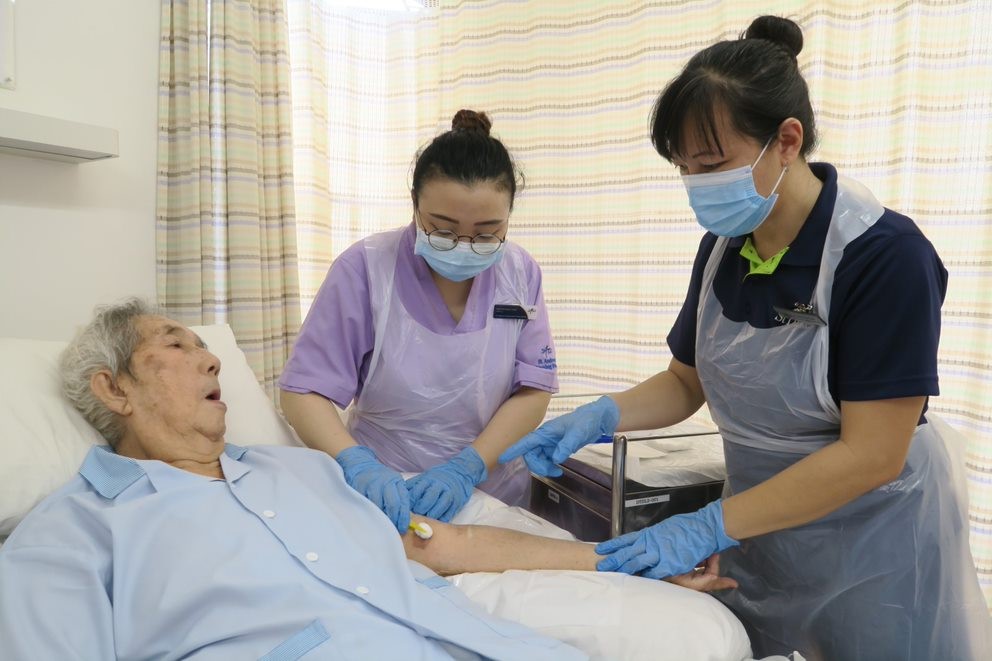
Chronic injuries pose distinct challenges due to their extended recovery times commonly linked with underlying wellness concerns such as diabetes mellitus or vascular lacks. Chronic wound care management stresses customized strategies focused on dealing with both signs and symptoms and origin effectively.
Key Concepts in Persistent Wound Monitoring Include:
Accurate Medical diagnosis-- Recognizing underlying conditions contributing to non-healing. Regular Surveillance-- Tracking development via systematic assessments. Patient-Centered Approaches-- Engaging individuals proactively involves them in their very own healing trip by enlightening them concerning self-care practices.Through persistent application of these concepts found out throughout chronic wound administration training sessions, healthcare providers can promote better advanced wound care management long-lasting end results for impacted individuals.
Wound Treatment Administration Ideal Practices
Effective wound care management pivots upon applying ideal methods created based on existing research study findings and scientific experiences alike:
1. Evidence-Based Guidelines
Utilizing evidence-based standards not just develops credibility but likewise ensures all interventions straighten with identified criteria within the medical neighborhood today!
2. Interprofessional Collaboration
Collaboration amongst different specializeds-- consisting of medical professionals' input along with nursing expertise-- improves all natural strategies towards comprehensive treatment techniques!
3. Constant Education
Regular participation in continual education programs maintains professionals updated regarding current innovations within this quickly developing field!
FAQs Concerning Basic Injury Treatment Training
1) What is fundamental injury care?
Basic injury care requires assessing a person's injury adhered to by cleansing it suitably before using appropriate dressings while keeping track of healing progress over time!
2) Who ought to attend standard wound treatment training?

Healthcare specialists included straight or indirectly with individuals suffering from any type of kind(s)of injury would benefit greatly from going to relevant programs concentrated on refining significant skills!
3) What certifications do I need before enrolling?
Typically no particular requirements exist in addition to being involved within healthcare areas; nevertheless previous experience dealing involving direct person contact may verify helpful when navigating training course materials!
4) How typically need to I update my abilities associated with this area?
It's suggested individuals revitalize their understanding every couple of years considering that brand-new methods/techniques emerge constantly transforming existing methods making certain all team remain knowledgeable about developments provided throughout market advancements!
5) Are online choices available?
Yes! Many reputable institutions provide online accreditation choices providing specifically towards active specialists seeking versatility without compromising instructional top quality delivered easily by means of digital formats!
6) Can I specialize after completing first course material?
Absolutely! Following conclusion individuals might go after customized tracks concentrating either entirely in the direction of complex/chronic situations enabling them discover much deeper ins and outs bordering certain locations interests improving experience offered throughout wider spectrum clientele offered daily!
Conclusion
In verdict, basic wound care training creates a crucial foundation whereupon efficient patient administration rests within contemporary health care contexts dealing largely around injuries received by people encountering any kind of number diverse difficulties encountered daily! Via continuous education initiatives highlighting collaboration amongst multidisciplinary teams alongside implementation developed best practices inevitably leads boosted overall outcomes benefiting everybody included throughout process guaranteeing safety/quality delivered regularly progressing together!
Investing time right into seeking pertinent coursework not just enhances individual abilities however also advertises enhanced engagement between providers & & patients aiding grow atmospheres ripe promoting depend on & & collaboration needed make the most of success achieved collectively when aiming towards shared goals ahead!